Nordeste do Brasil: Bahia
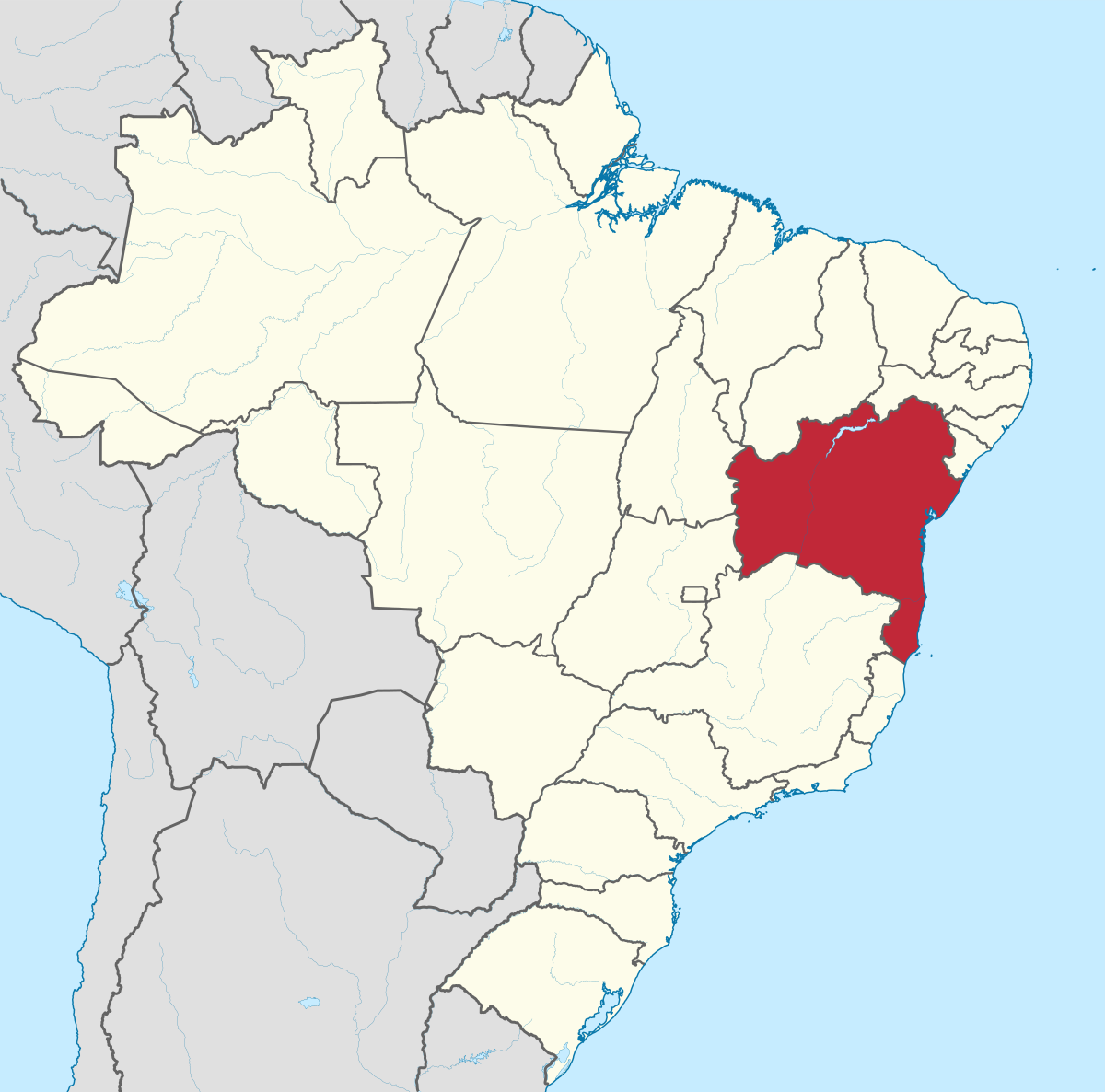

Salvador is the home of capoiera, a fighting style that looks a lot like dancing. It was created by slaves to disguise fights with dance and has since been turned into a soulful craft of millions around the world. https://youtu.be/aF0HVit4XBU
This is the region where you will find snacks like the coconut candy cocada and tapioca, a manioc flour crepe. There is also the dangerously appealing Capeta, a vodka-based drink, with sweetened condensed milk, cinnamon and Guarana sold by vendors on the boulevard.


Now to talk about the music genre axé, which sounds like something you wold play at a party, or while jazzercising like these people. https://youtu.be/Ab9hxtpFanw
There are also many native tribes still living (relatively) similarly to how they did when the Europeans arrived, in fact, in December of 2005, I went to one with my family and we took a couple hand made bows and spears like these.
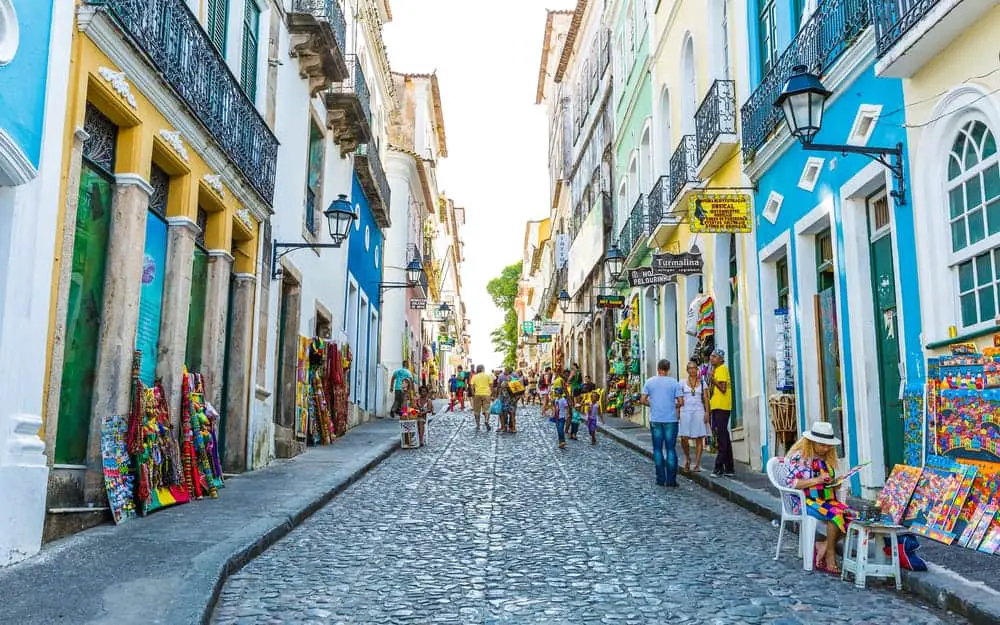
The population of Bahia is made up of a mixture of African and European lineage. Roman Catholicism is the primary religion. Crops grown in Bahia include sugarcane, cassava (manioc), soy, corn (maize), cotton, cacao (the source of cocoa beans), and sisal (Britannica, 2018).
It is made up of more than 50 small, yet stunning islands.
What is Samba? A Brazilian dance of African origin from Bahia.
Food of Bahia

Vatapá:
If you want vatapá – ô
Try to make it like so:First add the corn meal,
Then the African palm oil,
Look for a black woman from
Bahia – ô
That can - stir
That can - stir
That can - stir
Add cashew nuts
A little bit more
Red pepper
A little bit more
Add peanuts, shrimp and grate
the coconut
Then mix it all together
Finally, season it with salt,
ginger and onions, Yayá!

Acarajé: Black-eyed-pea and shrimp fritters made from peeled beans formed into a ball and then deep-fried in dendê.
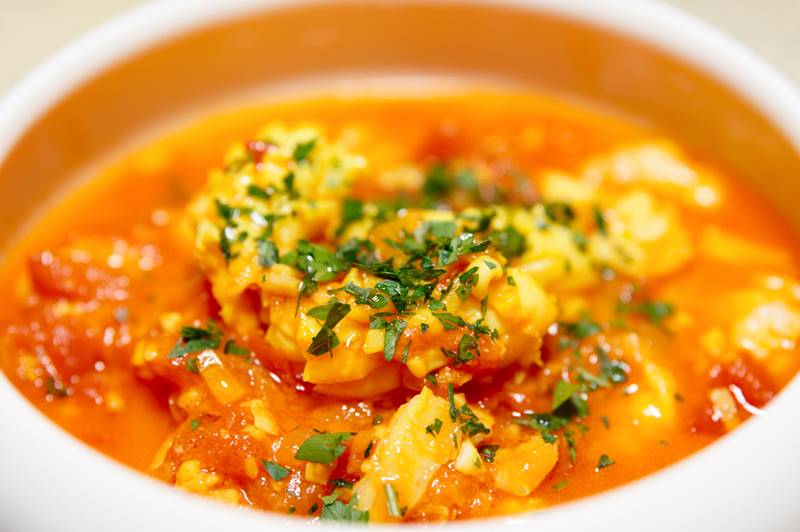
Bobo de Camarão: a chowder-like Brazilian dish of shrimp in a purée of manioc meal with coconut milk and other ingredients.

Church of Nosso Senhor do Bonfim, Bahia: This is one of the most famous churches in Brazil. One of its most iconic features is its painted wooden ceiling designed by Bahia artist Franco Velasco between 1818 and 1820.

São Joaquim Market - Largest Open Air Bazaar in Salvador, Brazil

Bahia has one of the largest Carnival celebrations in Brazil.
Music
Percussion
Brazilian Samba by Paloma Gomes
Chico Buarque
Caetano Veloso
Paranaue - Capoeira

No comments:
Post a Comment